
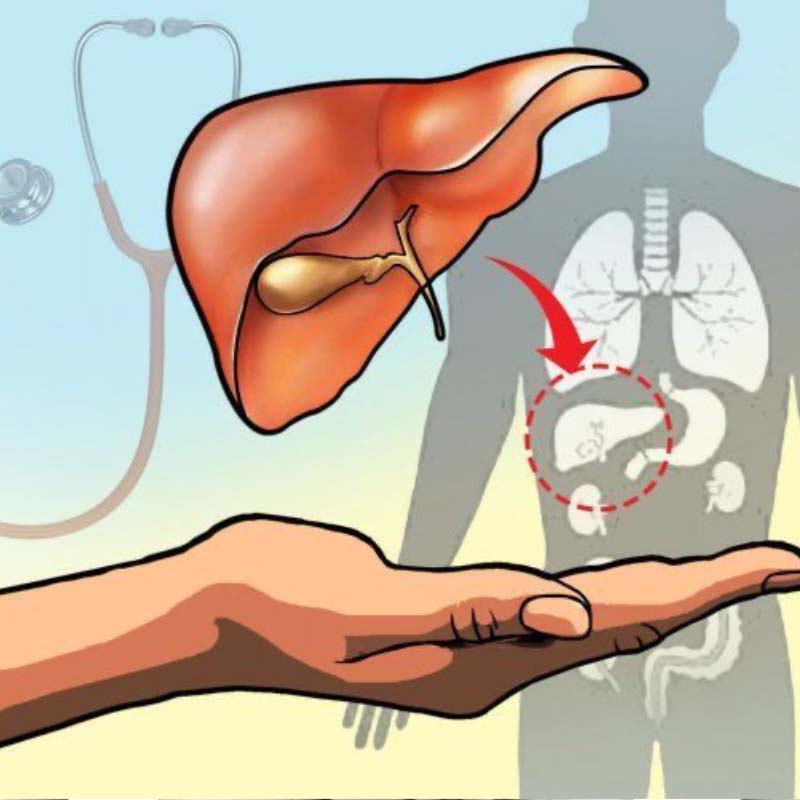
Treatment of Liver Failure
When liver failure is suspected, laboratory tests are performed to assess liver function. These tests help establish how well the liver is functioning and which of its functions are impaired.
In addition to laboratory tests, the following advanced imaging methods may help with diagnosis:
- Ultrasonography
- Computed tomography (CT)
- Magnetic resonance imaging (MRI)
Where necessary, a liver biopsy may be performed to confirm the diagnosis.
Treatment of Liver Failure
Treatment differs depending on whether the liver failure is acute or chronic:
- Acute liver failure: If a large portion of the liver has not yet been damaged, intensive medical support may allow the liver to recover. The objective is to give the liver an opportunity to heal.
- Chronic liver failure: When the damage is irreversible, liver transplantation is a treatment option. Transplantation may also be needed in acute cases when medical support does not succeed.
With an accurate diagnosis and timely treatment, liver failure may be brought under control and, in some situations, complete recovery may be possible.