
The liver performs many functions essential to life. When it stops functioning, the condition may become incompatible with survival. Unlike kidney failure, chronic liver failure does not have a long-term replacement treatment comparable to dialysis. Without liver transplantation, the disease may ultimately be fatal.
What Is Liver Transplantation?
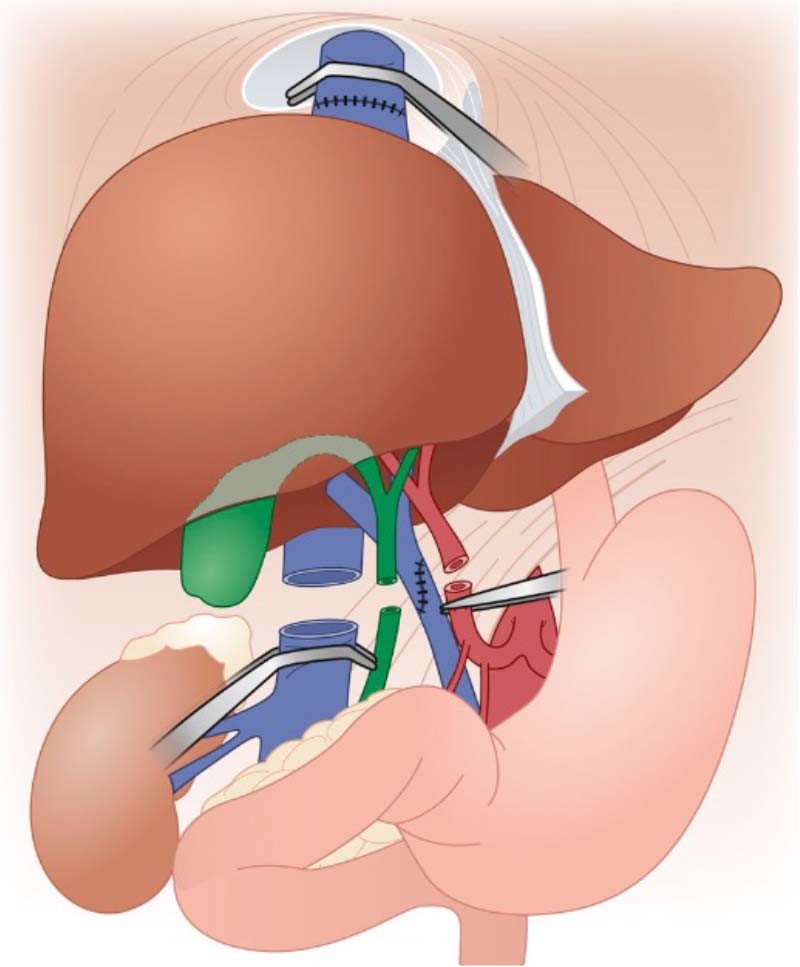
Liver transplantation is the surgical removal of the diseased liver and its replacement with a healthy liver. The source describes it as the only definitive and most effective treatment for end-stage liver failure.
A liver transplant can be performed using two donor sources:
- Living donor: A portion of a healthy liver obtained from a relative with compatible blood type
- Deceased donor: A healthy liver obtained from a person who has been declared brain-dead
Unlike kidney transplantation, a crossmatch and other immunological matching tests are generally not required for liver transplantation.
Why Is the Timing of Transplantation Important?
For patients with an available living donor, the source emphasizes arranging transplantation as soon as appropriate after diagnosis. As the waiting period becomes longer, serious complications may develop, including:
- Portal vein thrombosis
- Infections
- Bleeding from esophageal varices
- Peritonitis
- Hepatic coma
The success rate of liver transplantation performed at an advanced stage of disease is substantially lower than that of transplantation in patients referred earlier.
Conditions Required for Successful Transplantation
Liver transplantation should be performed by a specialized team in a fully equipped hospital. Preparation before surgery and follow-up afterward are just as important as the operation itself.
The hospital housing the transplantation center should use a multidisciplinary approach, with intensive care, infectious diseases, hepatology, anesthesiology, surgery, and other specialties working together.