
Functions of the Liver
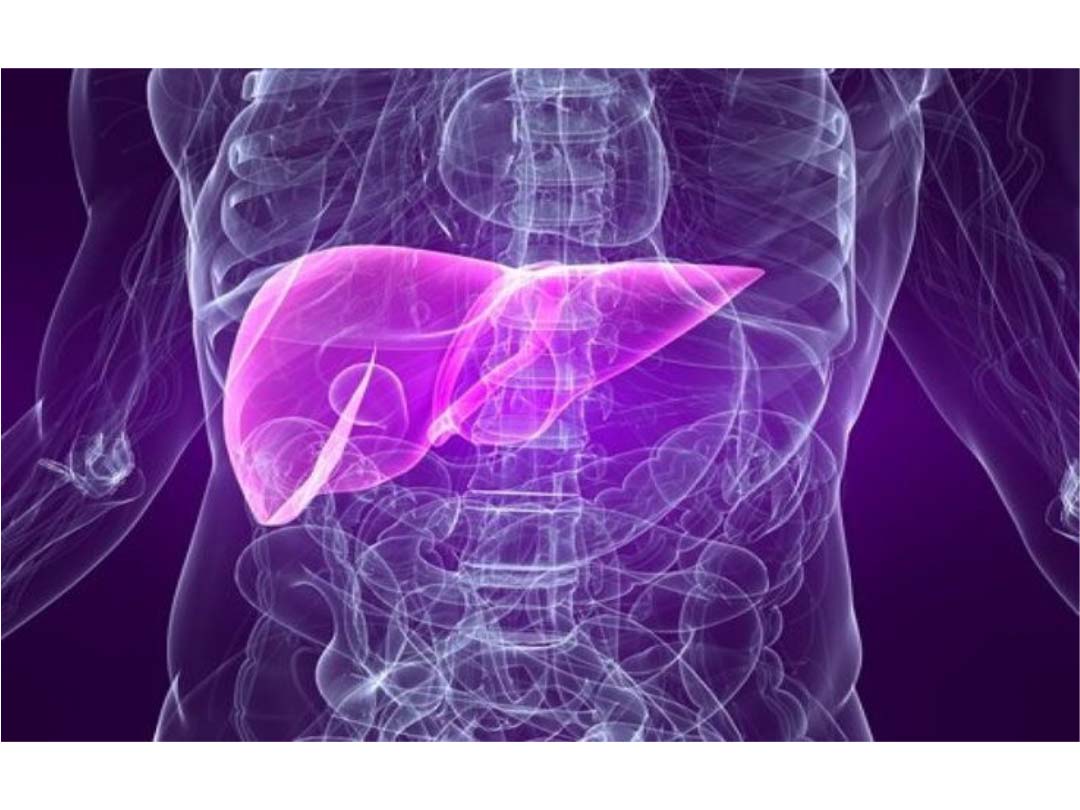
The liver is one of the most important organs in the body because it performs countless functions, almost like a biochemical factory. Nearly 500 functions have been described. Some of the most fundamental are summarized below:
- Protein synthesis: Produces many proteins required by the body.
- Albumin synthesis: Produces albumin, an essential protein that helps regulate the osmotic pressure of blood.
- Synthesis of clotting factors: Produces proteins needed for blood coagulation.
- Fat metabolism: Synthesizes, stores, and breaks down fats.
- Carbohydrate metabolism: Stores carbohydrates as glycogen and releases glucose into the blood when needed.
- Production of bile and bile salts: Produces bile required for fat digestion, facilitating absorption of vitamins A, D, E, and K.
- Elimination of harmful substances: Helps remove substances such as bilirubin and ammonia from the body.
- Detoxification: Processes and neutralizes alcohol, medications, and toxins.
- Excretion of iron-containing pigments: Helps eliminate products formed by the breakdown of heme.
- Immune response: Contributes to the immune system through Kupffer cells.
These life-sustaining functions of the liver are essential to the body's overall health. Protecting liver health is therefore critical to maintaining these functions.