
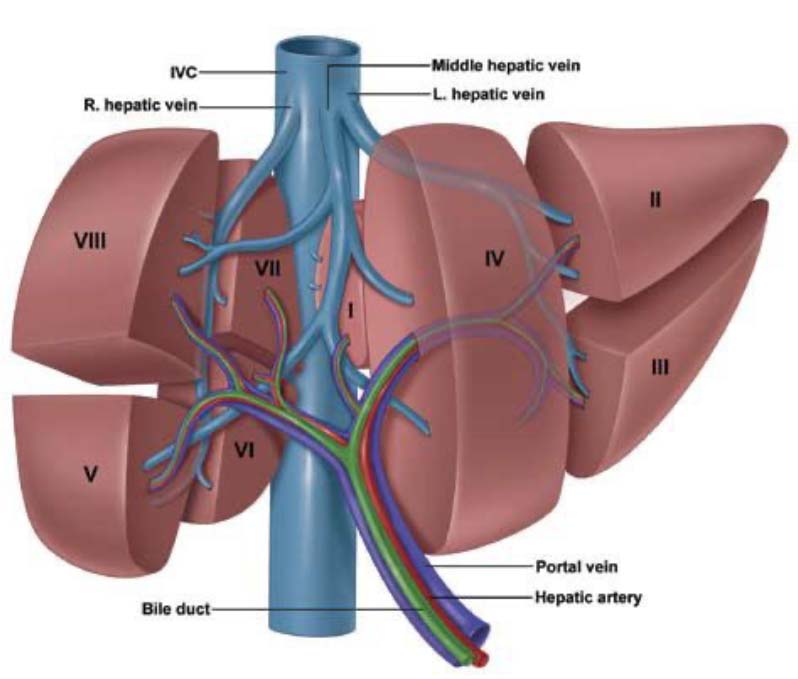
Liver transplantation is an advanced surgical procedure requiring specific expertise and experience. It is critically important that the surgeons, anesthesiologists, operating room nurses, and other staff members of the surgical team are competent and experienced in this field.
Deceased-Donor Liver Transplantation
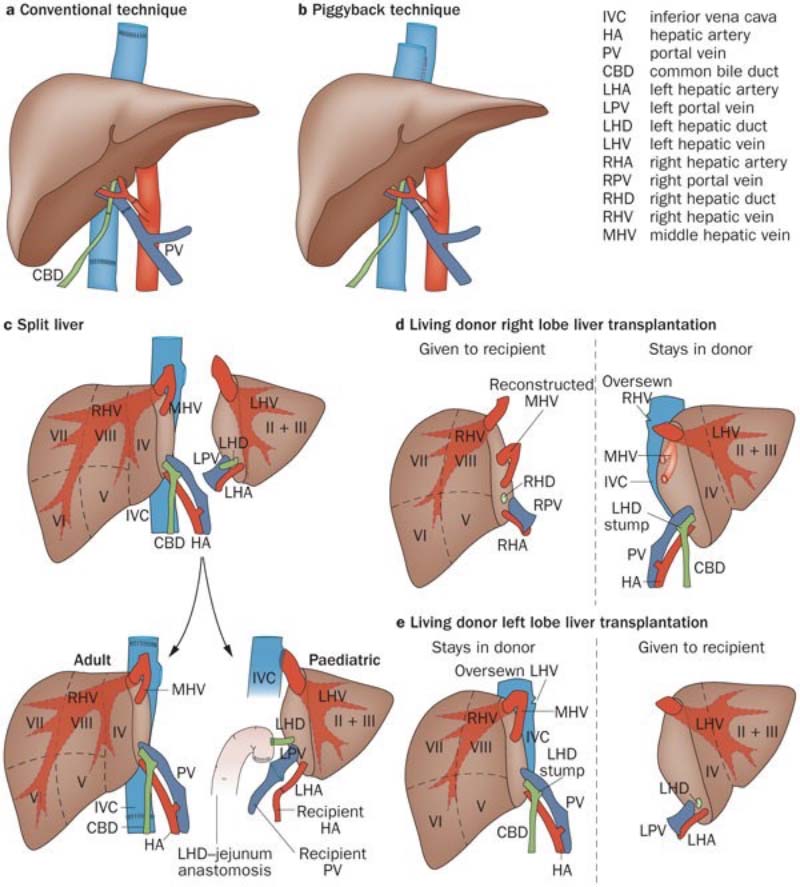
A whole liver obtained from a deceased donor is surgically transplanted after removal of the recipient's diseased liver. The operation takes approximately six to eight hours on average. Two or three drains are placed in the abdomen to remove fluid accumulating after surgery. These drains are usually removed during the hospital stay.
Living-Donor Liver Transplantation
In living-donor transplantation, two separate surgical teams begin operating simultaneously in adjacent operating rooms, one working with the donor and the other with the recipient. While one team removes the portion of liver to be donated, the other prepares the recipient. The donated portion is then transplanted.
- Recipient operation: 6–10 hours
- Donor operation: 4–6 hours
The donor's gallbladder is also removed during the operation. One drain is inserted for the donor, while the recipient receives three abdominal drains and, if needed, a thin bile duct drain. The biliary drain is generally not removed before the fourth month after surgery.
Possible Risks and Complications
Although very rare, an unexpected complication during surgery may require the operation to be terminated. In such a case, the surgical team explains the process and the reasons in detail to the patient and relatives.
Length of Hospital Stay After Surgery
- Recipients: Approximately 10–14 days
- Donors: Approximately 5–7 days
Regular postoperative follow-up plays a critical role in recovery.